
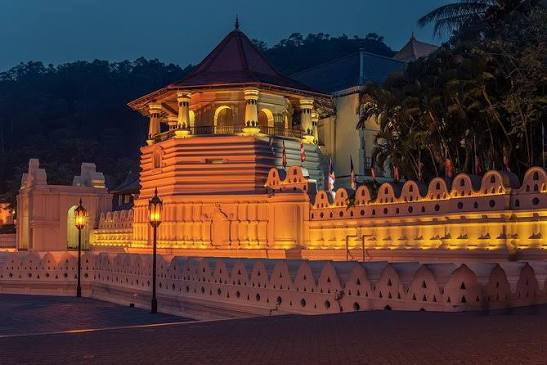
Temple of the Tooth Relic
Sri Lanka's most sacred Buddhist shrine
In the heart of Kandy overlooking Kandy Lake stands Sri Dalada Maligawa—the Temple of the Tooth Relic—one of the world's most sacred Buddhist shrines. This UNESCO World Heritage Site houses a relic of profound spiritual significance: a tooth of Lord Buddha, venerated by Buddhists across Asia and recognized as a symbol of enlightenment and protection. Built in the 17th century by King Vimaladharmasuriya I, the temple remains a living center of Buddhist faith.
History
According to Buddhist tradition, the Sacred Tooth was brought to Sri Lanka in the 4th century AD, hidden in Princess Hemamali's hair, fleeing persecution in Kalinga, India. For centuries, the relic traveled with royal courts across the island, becoming a symbol of political legitimacy and spiritual authority. When the Portuguese and Dutch attempted to conquer Kandy, the relic was secretly hidden. The current temple, Sri Dalada Maligawa, was formally constructed in the 17th century to create a permanent sanctuary. After British annexation in 1815, the colonial administration—remarkably—continued to protect the relic, recognizing its cultural importance.
Why Visit
- Spiritual Pilgrimage: For Buddhists worldwide, a once-in-a-lifetime spiritual journey.
- Cultural Immersion: Witness authentic Buddhist ceremonies and devotional rituals.
- Architectural Marvel: Exceptional Sinhalese craftsmanship—intricate carvings and traditional design.
- UNESCO World Heritage Site: Representing centuries of Asian Buddhist heritage.
Top Attractions
Daily Puja Ceremonies
Early morning (5:30–7:00 AM) for an intimate, spiritual experience; mid-morning (9:30–11:00 AM) for the main ceremony; evening (6:30 PM) for the most spectacular, with casket display, drums, and dancers.
The Golden Casket
The sealed relic chamber's golden casket is displayed during the morning and evening puja ceremonies.
Temple Museums
The Buddhist Museum and Dalada Museum (7:00 AM–7:30 PM) chronicle the relic's history and Sinhalese heritage.
Travel Tips
Dress Code
Shoulders and knees covered; remove shoes before entering (shoe drops available).
Photography
No photography inside the shrines; exterior courtyards and architecture are permitted.
Crowds
Thousands visit daily; expect crowds mid-morning and mid-afternoon.
Duration
2–3 hours to explore the temple, museums, and courtyards.
Stay at Goddess Kandy
When the temple drums fade and the crowds thin, retreat to Goddess Kandy Heritage Villa — the best place to stay after a day of pilgrimage. A short drive into the hills brings you to a calm, candle-lit sanctuary where the spiritual stillness of the temple carries into a slow-living evening of garden quiet, warm hospitality, and deep rest.
Frequently Asked Questions
- Can I see the actual Tooth Relic?
- Not directly. The relic is in a sealed chamber; the golden casket is displayed during puja ceremonies (9:30 AM and 6:30 PM).
- Best time to visit?
- Early morning (5:30–7 AM) for a spiritual experience; 6:30 PM for the most elaborate ceremony.
- Is photography allowed?
- No inside the shrines; exterior areas are permitted.
- Do I need to participate?
- No; observers are welcome to watch respectfully.
- When is the Esala Perahera?
- July/August (Esala month); grand processions with elephants and dancers.
More near Goddess Kandy
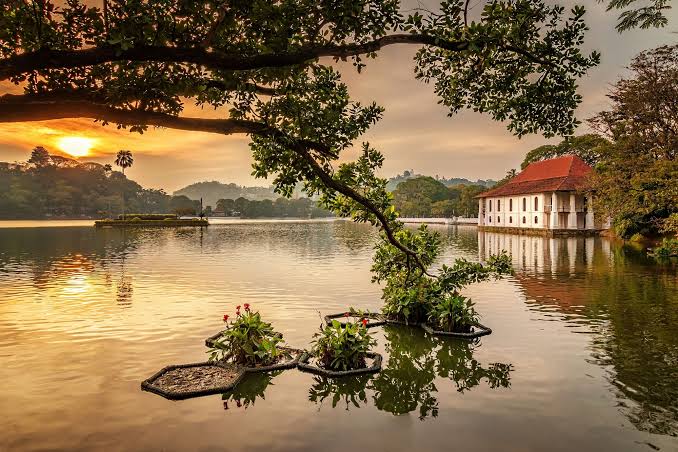
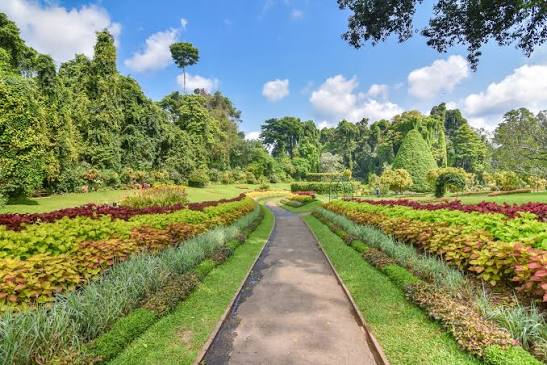
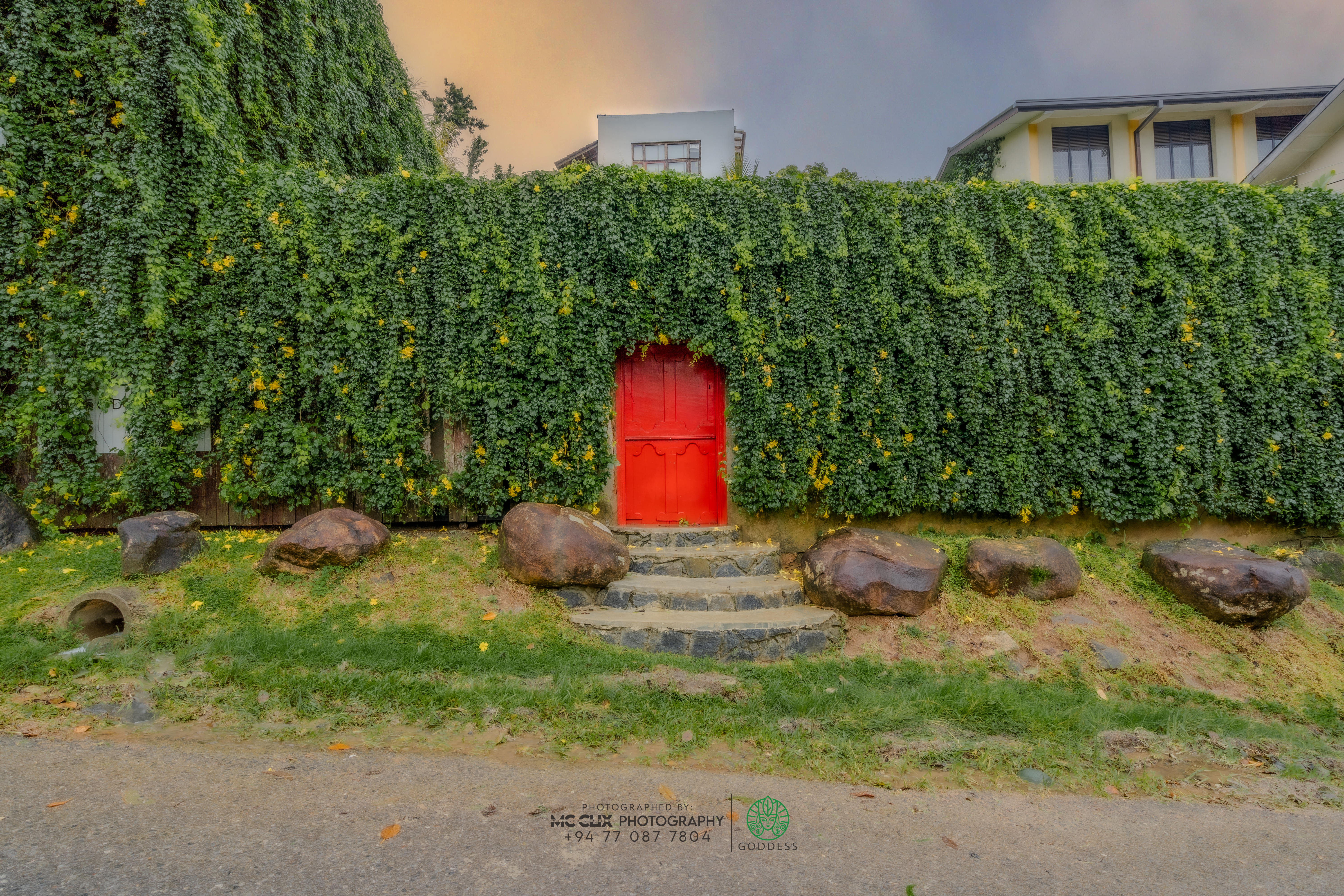
Your sanctuary between adventures
After exploring Kandy's temples and gardens, retreat to Goddess Kandy Heritage Villa — a luxury sanctuary in the same verdant hills.
Reserve Your Stay